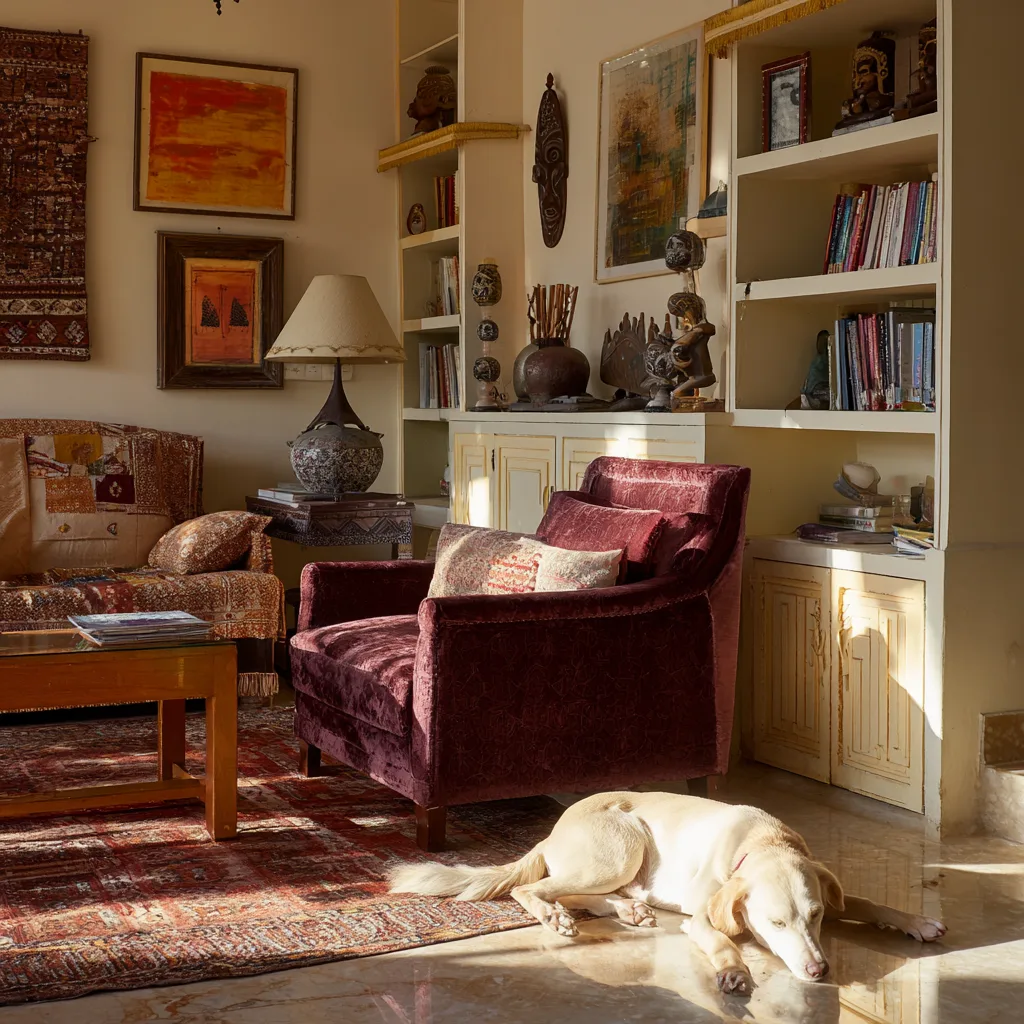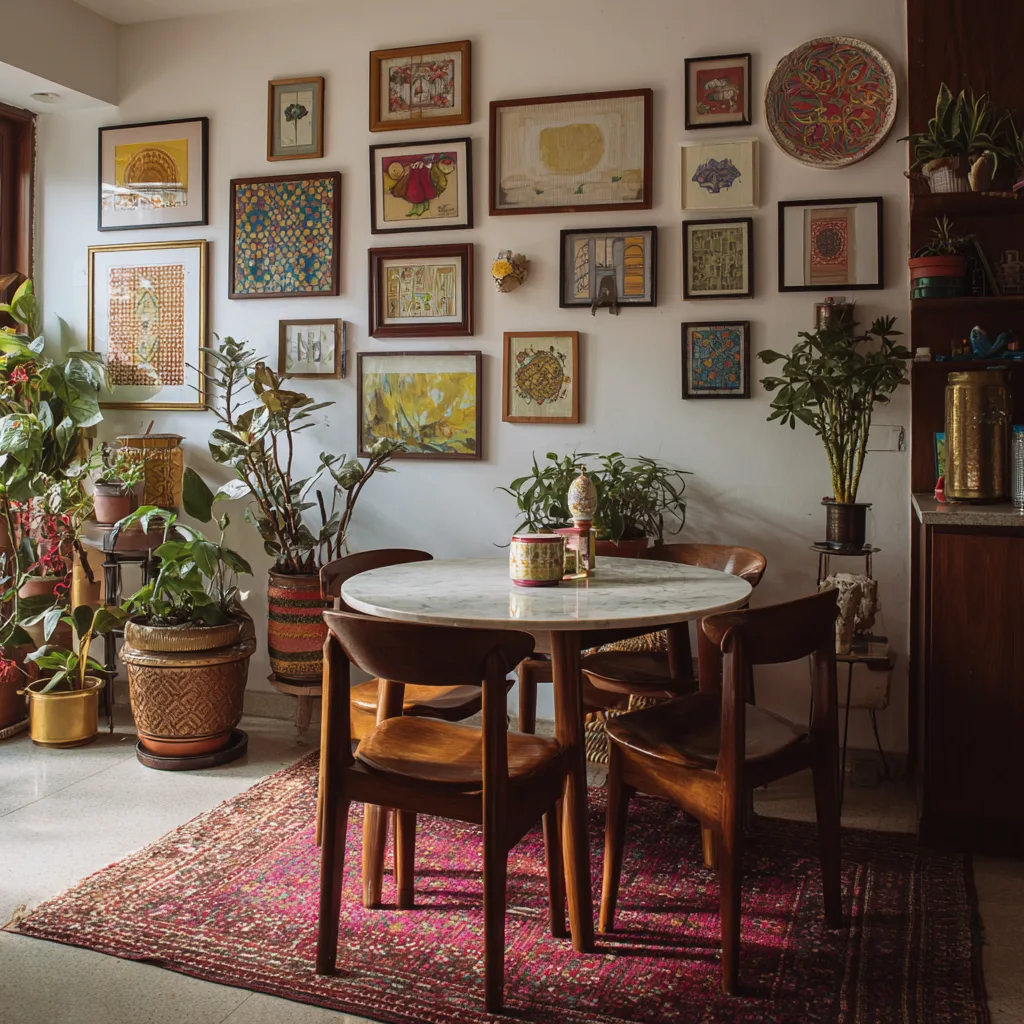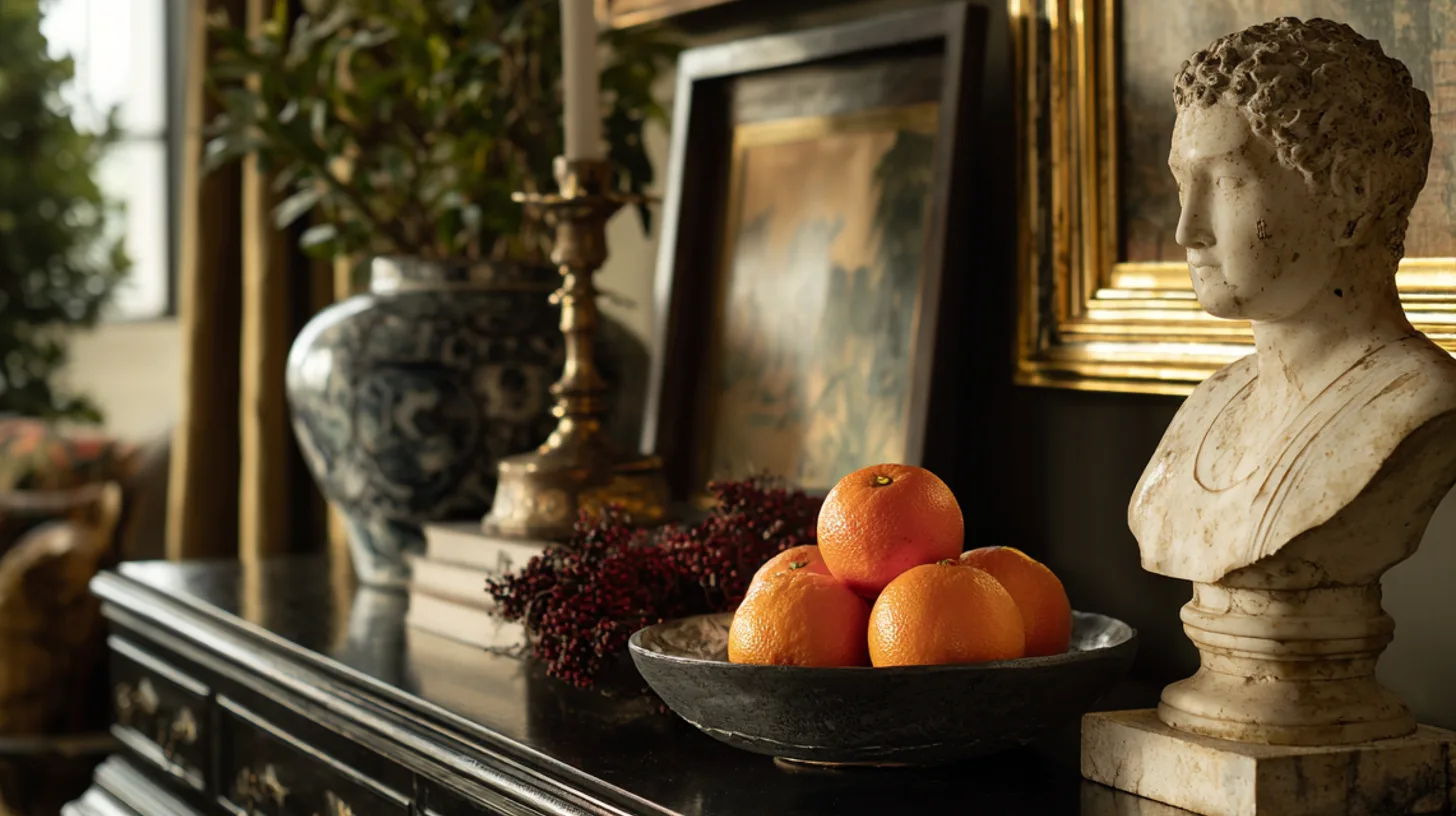
In today’s world of curated minimalism, where uniformity masquerades as elegance, maximalism stands as a compelling, unapologetic counterpoint. It’s a philosophy rooted in celebration, not excess; in storytelling, not silence.
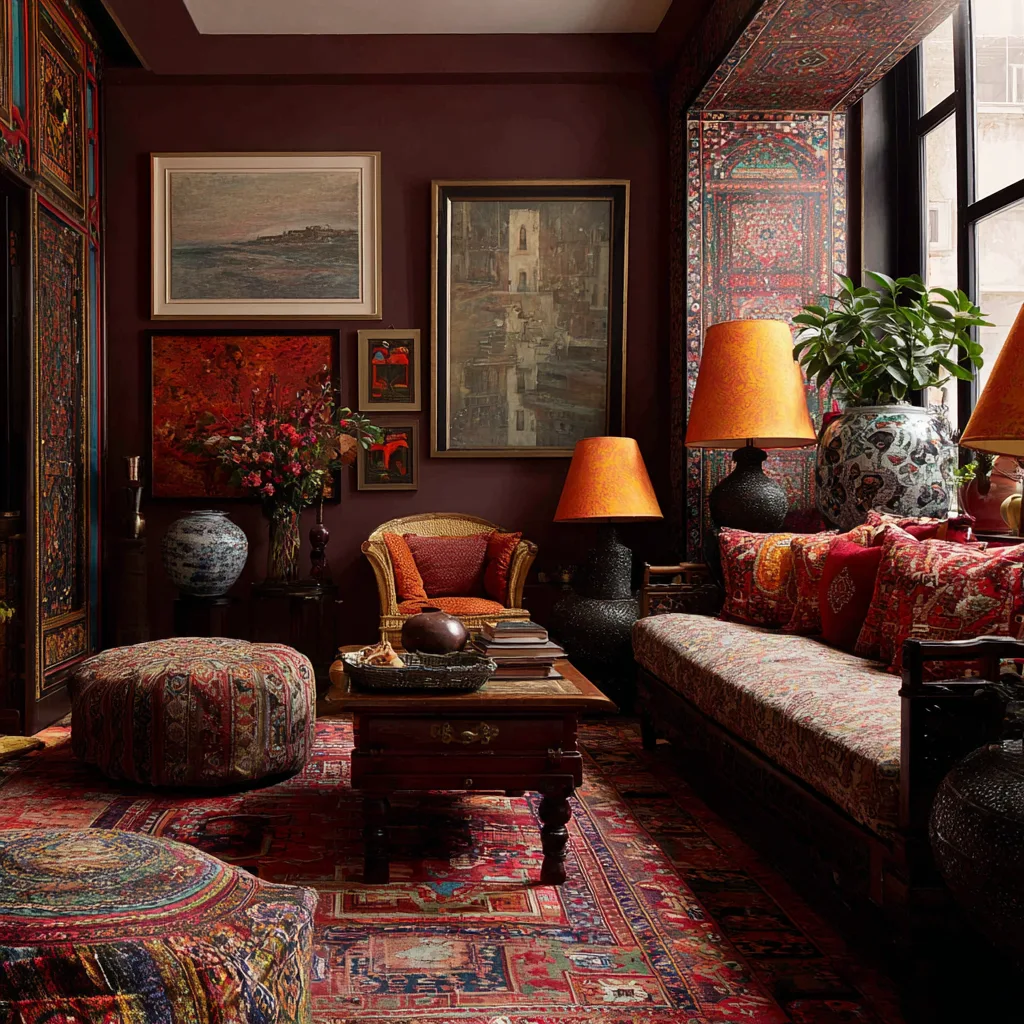
More than just a style, maximalism is an embrace of life’s richness. A way to create homes that are truly personal, deeply textured, and layered with meaning
Maximalism is often misunderstood. It’s mistaken for clutter or chaos, but nothing could be further from the truth. What it really is, is curation. A carefully considered abundance. Each element, each texture, every piece of art or artefact is selected with intention, reflecting stories, travels, and traditions that have shaped its owner.
Maximalism is not about filling space arbitrarily; it’s about layering experiences and memories so the home becomes a tactile narrative.
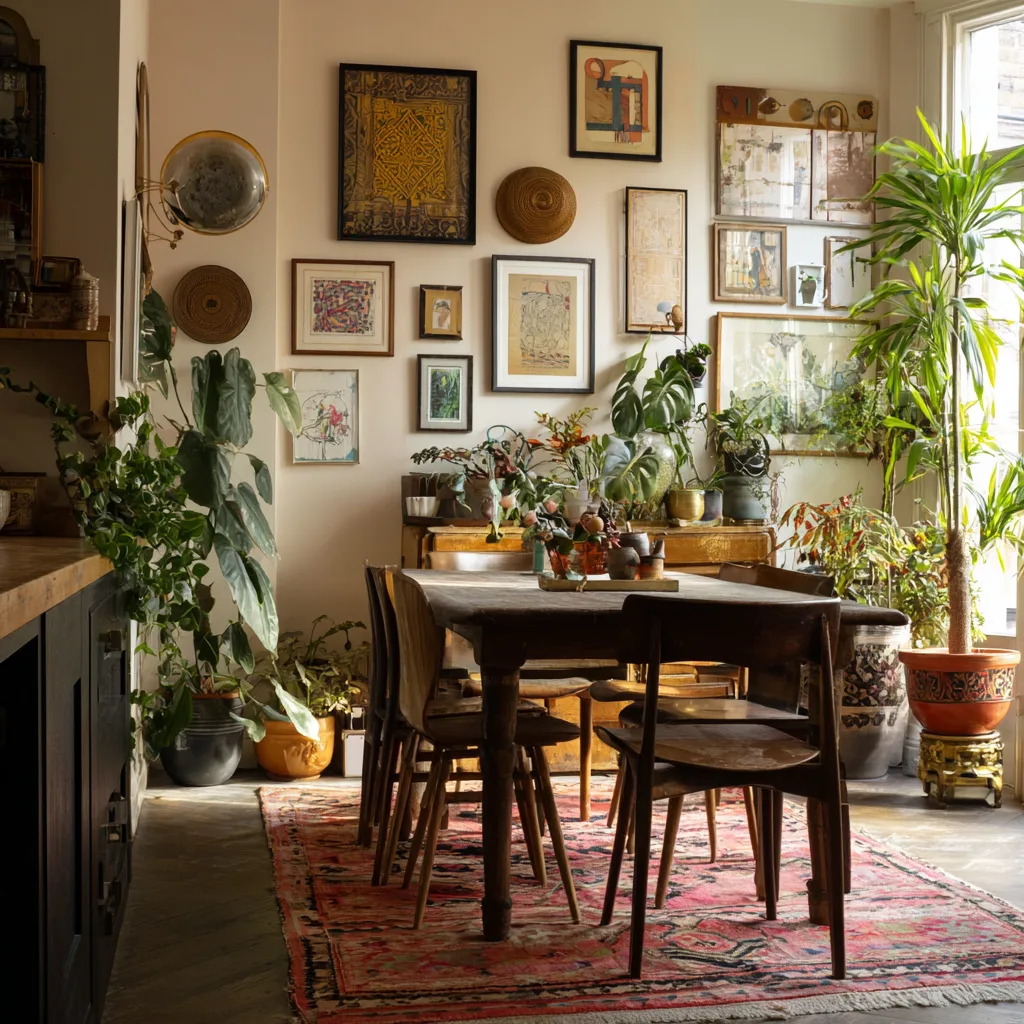
This narrative has deep roots in India’s cultural fabric. For centuries, Indian design has celebrated vibrancy, complexity & craftsmanship; from richly embroidered textiles and intricate hand-painted motifs to the opulence of carved wood and brass work.
Our heritage is one of joyous ornamentation, where beauty is found in the details and layering of elements that speak to history and heart. Maximalism today is the modern incarnation of that heritage, bringing it alive with fresh perspectives.
Mixing contemporary lines with traditional exuberance and global influences with local pride.
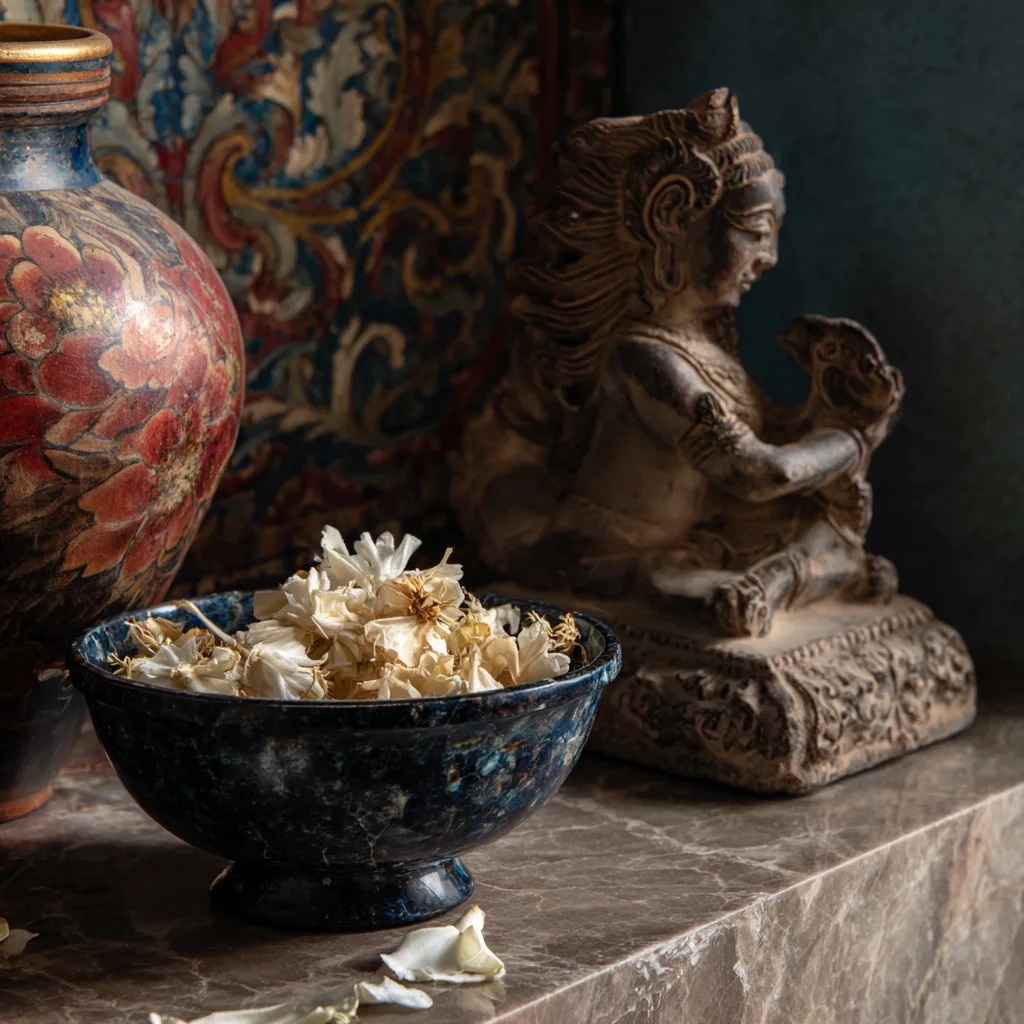
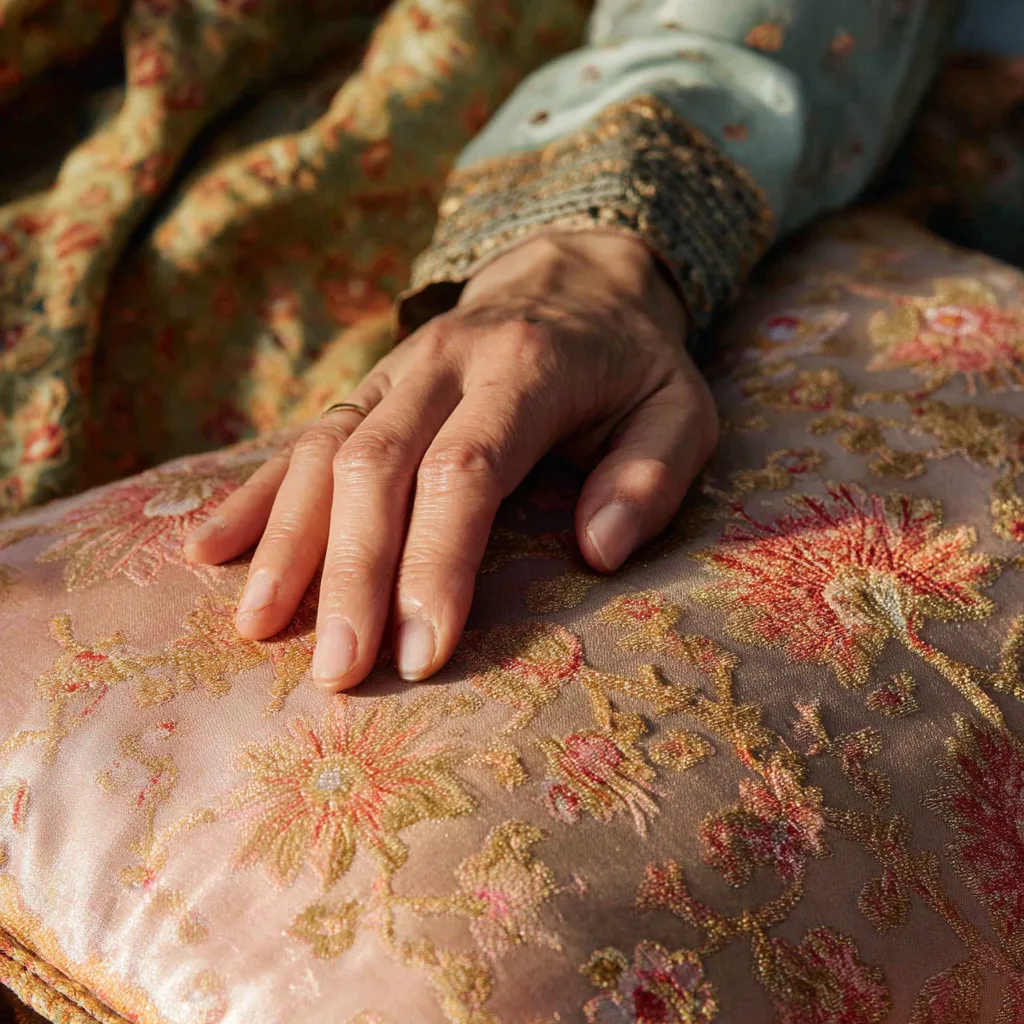
In a maximalist home, nothing is accidental. Every item earns its place by contributing to the larger story. Whether it’s a ceramic bowl picked up from a forgotten town, a painting that reminds you of childhood summers, or a piece of furniture that speaks of craftsmanship & time. It’s not about how many things you own, but about how deeply they resonate with you. This kind of abundance is intentional. It creates a layered, sensory environment without descending into visual noise.
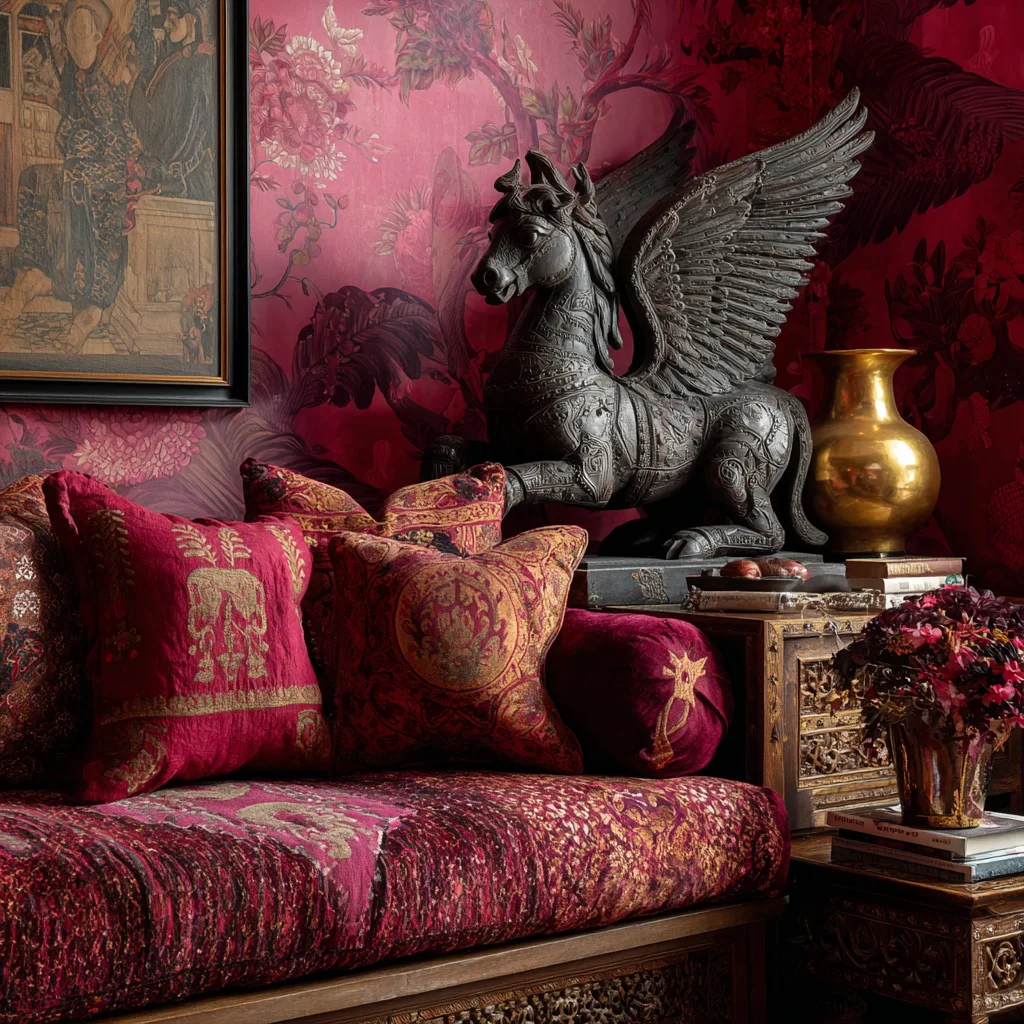
Minimalism, while serene, can sometimes risk erasing personality. Its pared back palette and spare spaces often become a kind of universal blank canvas. Polished, yes, but anonymous.
Maximalism, by contrast, demands presence. It asserts identity. In a world awash with digital sameness and cookie cutter interiors, maximalist homes stand apart. They refuse to be generic. They are an invitation to explore, to linger, and to feel deeply connected.
The luxury of maximalism lies in its richness and its sensory engagement. It invites you to see beyond the surface. To touch the sumptuous velvet of a cushion, to feel the cool, textured surface of an antique stone sculpture, to inhale the faint scent of sandalwood lingering in a room. It’s a multi-sensory experience where every layer engages sight, touch, and scent, creating spaces that are immersive and alive.
What maximalism demands, though, is restraint. Not in the sense of limiting expression, but in practicing discernment. It is an art of emotional editing, where the selection of each object is driven by meaning, not impulse.

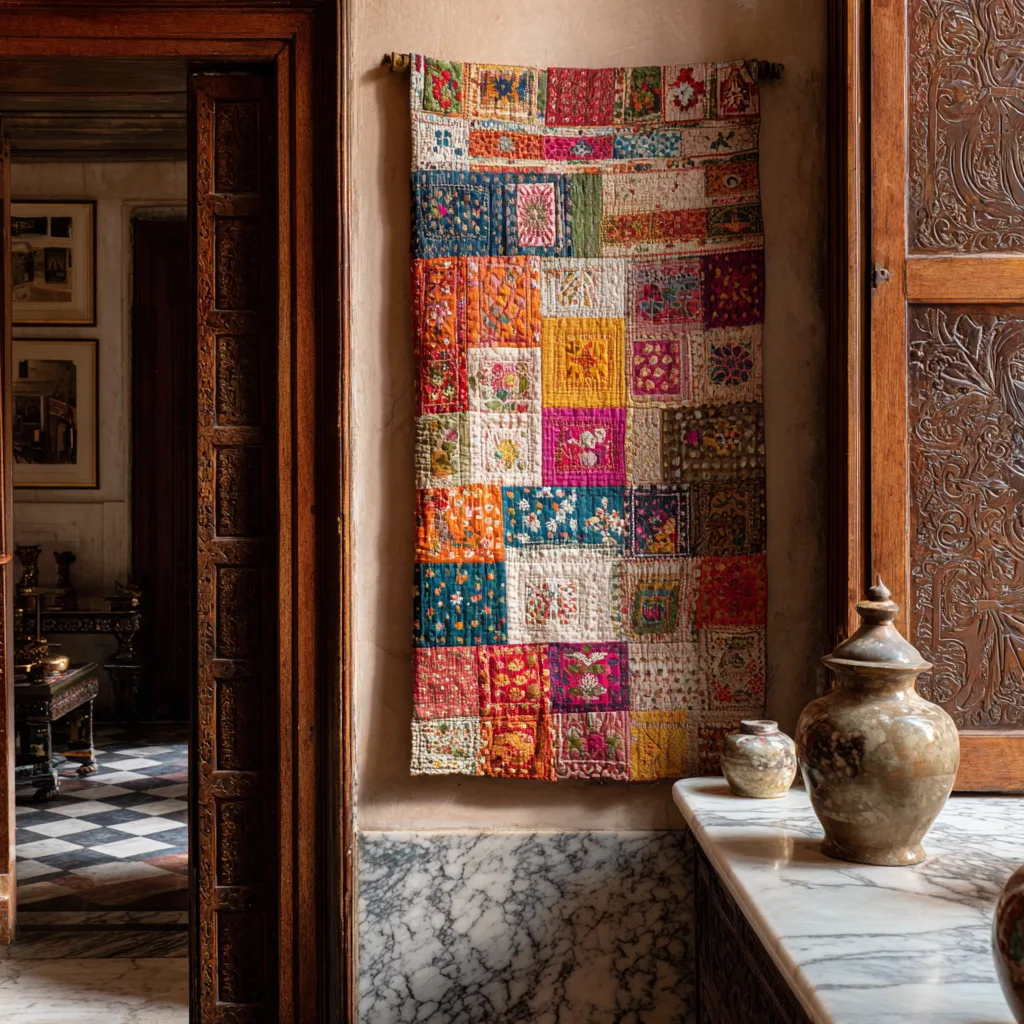
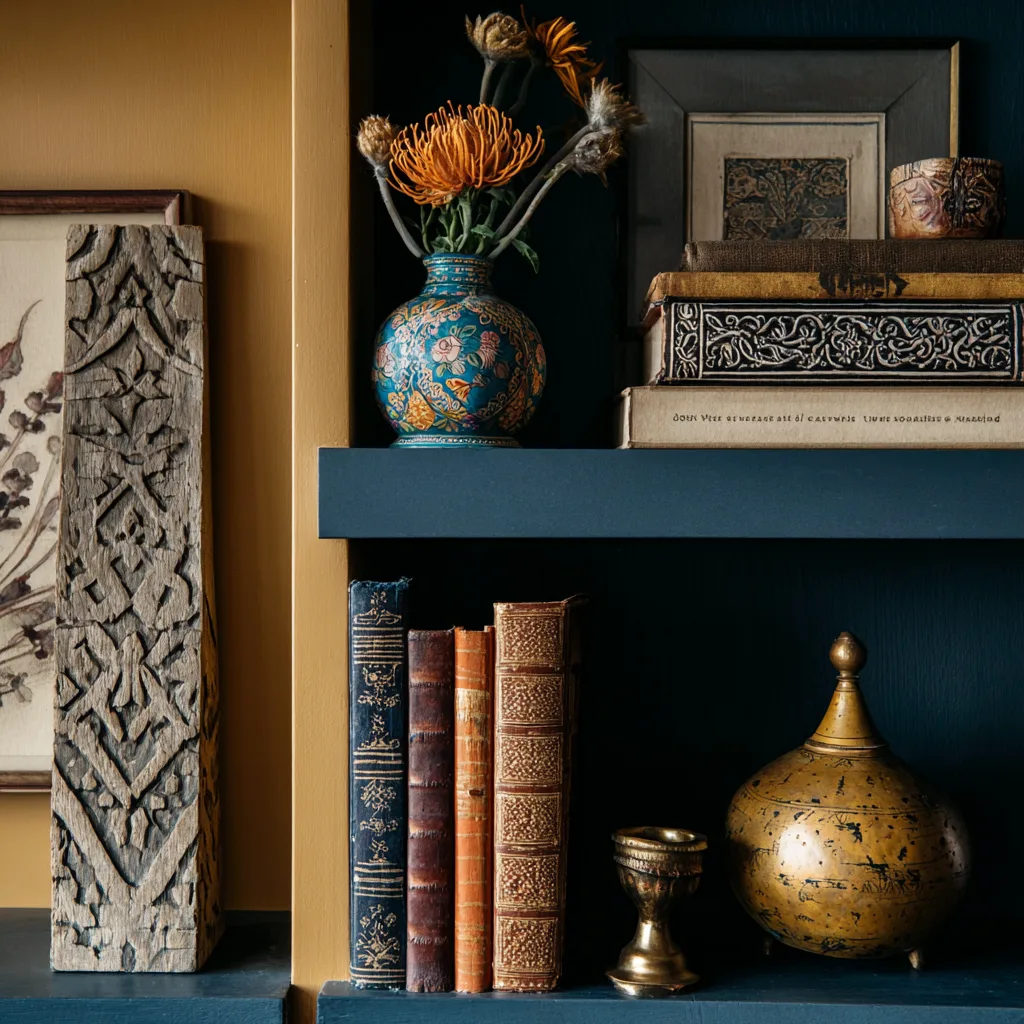
The result is a space that feels generous yet grounded, where vibrancy and harmony coexist and where every corner reveals a little more of who you are.
For the discerning homeowner, maximalism is more than a style; it’s a declaration. A refusal to edit out joy, memory or identity in the pursuit of sterile perfection. It is the quiet confidence to say: this is who I am and this is how I choose to live.
To design a maximalist home is to craft a space that doesn’t just look beautiful, but feels alive. One that invites conversation, evokes emotion and reveals something new each day. It is a living archive of the people, places, and passions that shape you.
Because at its heart, maximalism isn’t about having more. It’s about living more — richly, honestly and unapologetically.